Find Citrus Aurantium Extract Synephrine HCL for Food, Cosmetic, Medicine
Source 30 verified listings for Citrus Aurantium Extract Synephrine HCL powder with specifications ranging from 10% to 98%. Buyers can compare MOQs, packaging options, and certifications like ISO and FDA for food, cosmetic, and health care applications.
Key considerations
Products List









Comprehensive Sourcing Guide
Strategic Sourcing Guide for Citrus Aurantium Extract Synephrine HCL
Procuring Citrus Aurantium Extract Synephrine HCL requires a disciplined approach that balances technical precision with supply chain reliability. This active ingredient, derived from the fruit of the Citrus aurantium plant, is a critical component in the dietary supplement and weight management sectors. Buyers must navigate a complex landscape of extraction methods, assay specifications, and regulatory compliance to ensure the final product meets rigorous safety and efficacy standards. The following guide outlines the essential factors for evaluating suppliers and securing high-quality raw materials.
Technical Specifications and Extraction Methodology
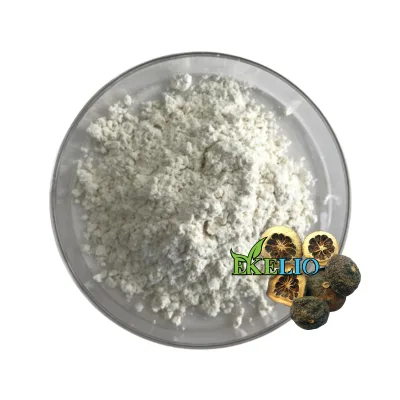
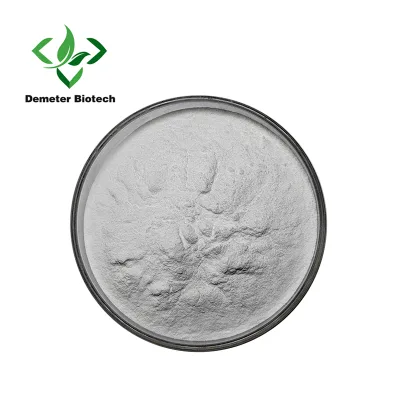
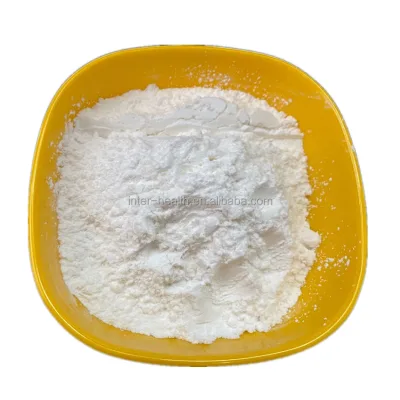
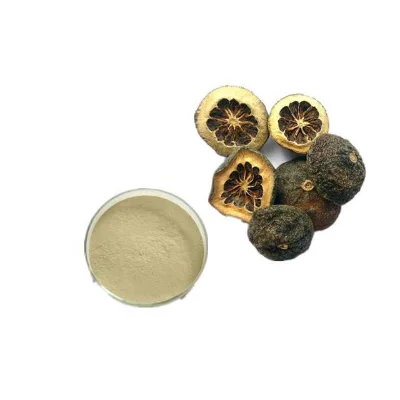
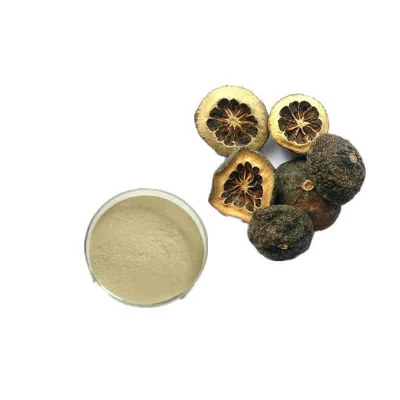
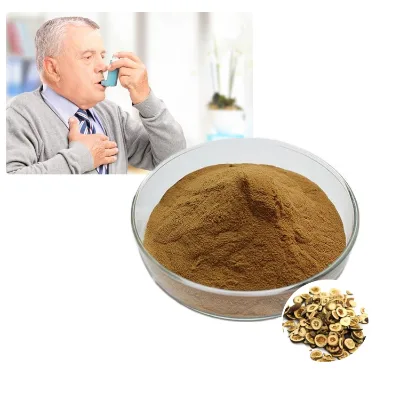
The core of any successful procurement strategy lies in understanding the precise technical attributes of the product. Synephrine HCL is an alkaloid extracted from the fruit of the bitter orange tree. In the context of industrial sourcing, the physical form is predominantly observed as a powder. The particle size is a critical parameter for downstream processing, particularly for capsule and tablet manufacturing. Buyers should verify that the product meets specific mesh size requirements, such as passing through an 80-mesh sieve, to ensure uniform dissolution and mixing.
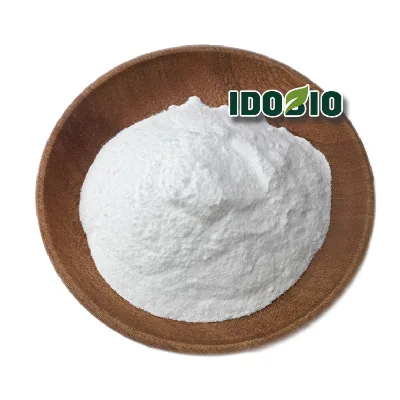
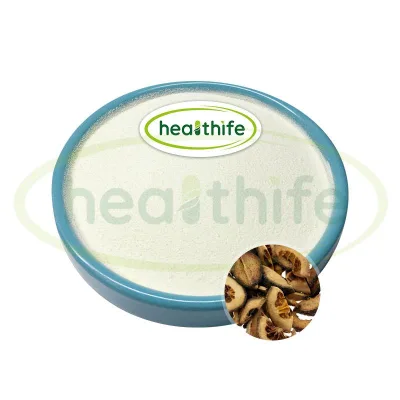
The extraction process significantly influences the purity and consistency of the final extract. Solvent extraction is a standard method utilized to isolate the active compound from the raw plant material. The resulting product is often characterized by a specific color profile, ranging from yellow to white, depending on the purity level and the specific extraction protocol employed. The active ingredient concentration is another vital metric. Specifications often indicate a range of purity, such as 10% to 98%, which directly impacts the dosage calculations for finished goods.
Assay methods are the primary tools for verifying these specifications. High-Performance Liquid Chromatography (HPLC) and Ultraviolet (UV) spectroscopy are the standard techniques used to quantify the Synephrine content. When evaluating a supplier, buyers must request a Certificate of Analysis (CoA) that explicitly details the results of these tests. The standard for the product often aligns with a specific purity threshold, such as 98%, but this must be confirmed against the specific batch being purchased. The cultivation method, whether artificial planting or wild-harvested, also plays a role in the consistency of the raw material, with artificial planting often offering more controlled variables for large-scale production.
Compliance, Certification, and Regulatory Standards
Navigating the regulatory landscape is paramount for B2B buyers in the health and wellness industry. The product is classified as a herbal extract intended for use in food, cosmetics, and health care products. Consequently, suppliers must demonstrate adherence to international quality management systems. ISO certification is a widely recognized standard that indicates a supplier's commitment to consistent quality control and operational excellence. Furthermore, FDA registration or compliance is often a prerequisite for selling into the United States market, ensuring that the facility meets specific safety and hygiene standards.
When sourcing Synephrine HCL, buyers should not assume that all listed certifications apply to every batch or every supplier. It is essential to verify the current status of these certifications directly with the supplier. The product is often marketed with a "health food grade" designation, which implies suitability for dietary supplements. However, the specific application—whether for medicine, health care products, or general food additives—dictates the required level of documentation.
The origin of the product is another critical compliance factor. Most commercial supplies of this extract originate from specific regions known for citrus cultivation, such as Shaanxi, China. While the location itself is not a barrier, it necessitates a thorough review of export regulations and import requirements for the destination country. Buyers must ensure that the supplier can provide all necessary documentation to clear customs, including proof of origin and compliance with local food safety laws. The shelf life of the product, typically around two years when stored correctly, must also be factored into the procurement timeline to ensure the material remains viable upon arrival.
Cost Drivers and Pricing Dynamics
The pricing of Citrus Aurantium Extract Synephrine HCL is influenced by a variety of factors, including the concentration of the active ingredient, the purity level, and the volume of the order. The observed market price range can be substantial, reflecting the difference between raw, low-concentration extracts and highly purified HCL salts. Buyers should expect that higher purity levels, such as those approaching 98%, will command a premium price compared to standard extracts with lower assay values.
Order volume is a significant driver of cost efficiency. While some suppliers may offer a Minimum Order Quantity (MOQ) as low as 1 kilogram, larger orders often benefit from economies of scale. The packaging format also impacts the final cost; bulk packaging in drums (e.g., 25 kg) is generally more cost-effective per unit than smaller retail-style packaging like bottles or vacuum-sealed bags. However, the choice of packaging must align with the buyer's storage capabilities and downstream processing needs.
Lead times and shipping methods further influence the total cost of acquisition. A typical delivery window of one week suggests a robust supply chain, but this can vary based on stock availability. Suppliers that maintain stock levels of the product can offer faster turnaround times, reducing the risk of production delays. Conversely, custom orders or those requiring specific packaging may incur longer lead times. Shipping costs, whether via air freight (FedEx, DHL) or sea freight, add to the overall expense and must be calculated into the total landed cost. Buyers should also consider the availability of free samples, which can help validate the product quality before committing to a large financial transaction.
Typical Applications and Formulation Considerations
The versatility of Citrus Aurantium Extract Synephrine HCL makes it a valuable ingredient across multiple industries. Its primary application is in the health food and dietary supplement sector, where it is utilized for its metabolic support properties. The extract is commonly formulated into capsules and tablets, requiring a powder form with specific flow properties and particle sizes. The "All Seasons" designation indicates that the raw material is stable and suitable for production year-round, regardless of seasonal fluctuations in raw citrus availability.
Beyond supplements, the extract finds applications in the cosmetic industry, where it may be used for its potential effects on skin metabolism or circulation. In the food and beverage sector, it is used as a functional ingredient, though its usage is subject to specific regulatory limits in different jurisdictions. The ability of the supplier to offer OEM (Original Equipment Manufacturer) and ODM (Original Design Manufacturer) services is crucial for buyers looking to develop proprietary formulations. Customization options allow brands to tailor the product to their specific needs, including unique packaging sizes or specific purity profiles.
When formulating products, the interaction between Synephrine HCL and other ingredients must be considered. The stability of the extract in various pH environments and its compatibility with excipients are key technical considerations. The product's appearance, whether yellow or white, can also impact the final aesthetic of the finished product, particularly in transparent capsules or light-colored tablets. Buyers should work closely with their formulation teams to ensure that the selected extract grade aligns with the desired end-product characteristics.
Supplier Evaluation and Quality Control Protocols
Selecting the right supplier requires a rigorous evaluation process that goes beyond price comparisons. Buyers should prioritize suppliers who demonstrate transparency in their manufacturing processes and quality control measures. The availability of a Certificate of Analysis (CoA) for every batch is non-negotiable. This document should detail the results of the HPLC and UV tests, confirming the assay value and the absence of contaminants.
The supplier's ability to provide free samples is a strong indicator of confidence in their product quality. These samples should be tested by the buyer's internal laboratory or a third-party facility to verify the specifications before placing a large order. The packaging integrity is another critical aspect of quality control. Whether the product is packed in aluminum foil bags, drums, or bottles, it must be protected from moisture and light to maintain its shelf life and potency. The specification for packaging often includes details such as vacuum packing or the use of specific bag dimensions to ensure optimal protection during transit.
Buyers should also assess the supplier's logistical capabilities. A reliable supplier should offer flexible shipping methods, including air freight for urgent needs and sea freight for bulk orders. The delivery time, typically within one week for stocked items, should be consistent with the supplier's promises. The presence of stock is a significant advantage, as it reduces the risk of delays and allows for immediate fulfillment of orders. However, buyers must verify that the stock is fresh and within its shelf life, as older inventory may have degraded in potency.
Long-Term Procurement and Supply Chain Resilience
Establishing a long-term relationship with a supplier of Citrus Aurantium Extract Synephrine HCL is essential for maintaining supply chain resilience. The volatility of agricultural markets and the potential for regulatory changes in the health supplement industry necessitate a strategic approach to sourcing. Buyers should look for suppliers who offer consistent quality over time, rather than those who provide sporadic batches of varying quality.
The customization capabilities of the supplier play a vital role in long-term planning. As a brand grows, its packaging and formulation needs may evolve. A supplier that can accommodate changes in packaging size, such as moving from 1 kg bags to 25 kg drums, or offering vacuum-packed options, provides greater flexibility. The ability to support OEM and ODM projects allows brands to differentiate their products in a competitive market.
Risk management is another critical component of long-term procurement. Buyers should diversify their supplier base to mitigate the risk of disruption. While a single supplier may offer the best price, relying on a single source can be risky if that supplier faces production issues or regulatory challenges. Establishing relationships with multiple suppliers who can meet the same technical specifications ensures continuity of supply. Additionally, buyers should regularly review the supplier's certifications and compliance status to ensure they remain aligned with changing regulatory requirements.
In conclusion, sourcing Citrus Aurantium Extract Synephrine HCL requires a comprehensive understanding of the product's technical specifications, regulatory landscape, and supply chain dynamics. By focusing on quality control, verifying certifications, and building strong supplier relationships, buyers can secure a reliable supply of this critical ingredient. The ability to navigate the complexities of extraction, assay, and packaging will ultimately determine the success of the procurement strategy and the quality of the final products.
FAQs
What is the minimum order quantity for this extract?
The minimum order quantity is 1 kilogram per batch. This low MOQ allows buyers to test the product quality before committing to larger industrial orders, with packaging options available in 1 kg bags or 25 kg drums.
Can I request free samples before placing a bulk order?
Yes, free samples are available for evaluation. Buyers can verify the powder form, color, and assay results using HPLC or UV methods before confirming a purchase, ensuring the product meets specific purity standards.
Which certifications do the suppliers typically hold?
Suppliers commonly hold ISO and FDA certifications for quality assurance. These credentials indicate compliance with international standards for herbal extracts used in food, cosmetics, and health care products, ensuring safety and regulatory adherence.
How long does delivery take for stocked items?
Delivery typically occurs within one week for items currently in stock. This rapid turnaround supports urgent production needs, though lead times may vary for custom orders or specific packaging requirements like vacuum packing.
What is the shelf life of the product when stored?
The product has a shelf life of two years when stored in a cool, dry place. Proper storage conditions are essential to maintain the stability of the Synephrine HCL and ensure it remains effective for dietary supplement manufacturing.
Which extraction method is used to produce this powder?
Solvent extraction is the standard method used to isolate the active ingredient. This process yields a powder with a particle size of at least 80 mesh, suitable for capsule and tablet formulation in various industries.